
Case account | Equipment already worn from use, but still unpaid? Recovering the full purchase price in a trial-run dispute with serial numbers as the anchor
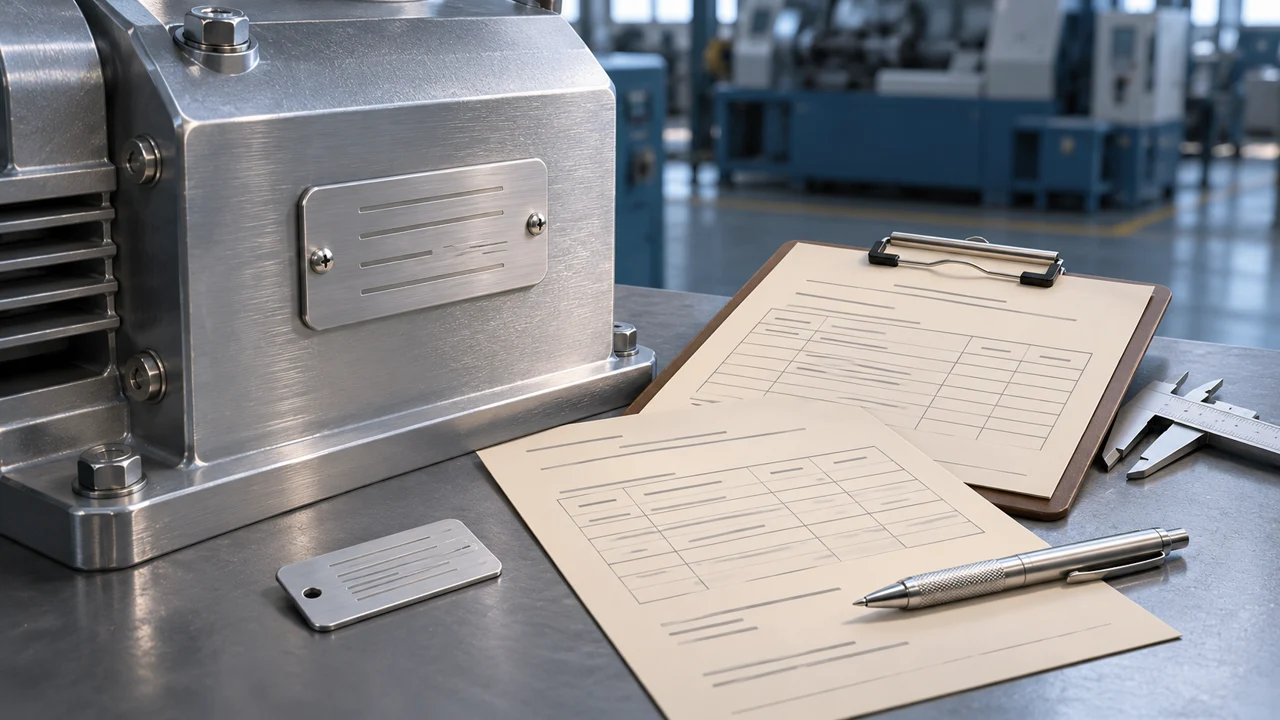
Basic case information
| Case type | Equipment sale contract dispute |
|---|---|
| Representation | Counsel for the seller |
| Key issues | Trial-run records, quality objections and contractual payment conditions |
| Key evidence | Equipment serial numbers, delivery notes, installation work orders, commissioning records and daily operation logs |
| Outcome | After several rounds of negotiation, the parties reached a mediation agreement and the seller recovered the full purchase price. |
In commercial sale contract disputes, especially transactions involving large machinery, the struggle to collect payment is a pain almost every supplier experiences. When the head of the seller company sat across from me with a thick stack of payment demand letters, they were visibly frustrated: “The equipment was delivered and installed long ago. They run it at full capacity in their workshop every day, but whenever we bring up the outstanding balance, they always find another reason to delay.”
This is the most common stalemate in equipment sales: the seller asks, “You are already using it, so why should you not pay?” while the buyer clings to the absence of a formally signed acceptance document as a shield against payment.
In this case, the buyer’s reason for refusing payment sounded quite specific. They pointed to an abnormal entry in the records for one piece of equipment during its trial run and argued that the entire batch had therefore failed to meet the acceptance standards and that the payment conditions had not yet been satisfied.
In a dispute like this, if counsel follows the other side’s lead and argues over how serious that trial-run abnormality was or whether it constituted a breach of contract, the case can become mired in lengthy technical wrangling. Commercial litigation calls for efficiency and detailed evidence. I asked the client to stop the futile telephone demands for the time being and brought together every document relating to the equipment, from its departure from the factory to the present.
As I worked through this mass of paperwork, I did not treat the batch of equipment as a single whole. Instead, I focused on one key lead: the equipment serial numbers.
Using the unique serial number of each piece of equipment, I untangled the delivery notes, installation work orders, commissioning records and daily operation logs from the buyer’s workshop, one by one, like working through a tangled ball of yarn. I then mapped them precisely to the payment milestones specified in the contract.
This fully exposed the flaws in the other side’s excuse.
Matching the serial numbers revealed a very different picture: the trial-run record questioned by the buyer did indeed relate to only one piece of equipment. For the other equipment delivered in the same batch, however, the workshop’s daily operation logs clearly showed that it had long since entered regular production at full capacity.
Conflating delivery, installation, trial runs and regular use is a common tactic buyers use to delay payment in legal disputes. I separated these stages and their dates strictly and prepared targeted strategies for mediation and litigation:
On the one hand, for the equipment subject to the trial-run dispute, we reviewed the subsequent commissioning records and checked the contractual provisions on the period for raising objections and the acceptance standards. This established that the minor issue during the trial run had long since been resolved and that the buyer had not raised any substantive written quality objection within the agreed period. On the other hand, for the other equipment that had long been in daily use, we put the operation logs directly on the table. Whether the buyer had accepted the equipment’s quality had to be assessed comprehensively in light of its use in regular production, the contractual terms, the commissioning records and any quality objections. Based on the contractual terms and the evidence of performance, we argued that the payment conditions for the relevant equipment had been satisfied.
We came to the mediation table with this evidence list, broken down by each equipment serial number and each contractual milestone.
When the other side saw that we had not been diverted by a sweeping claim of “quality problems,” but had instead matched each piece of equipment’s factory dispatch, installation and average daily operation to the contractual payment conditions, they realized that continuing to use the trial-run record for that one piece of equipment as an excuse to delay the entire substantial payment would absolutely not stand up in court.
The tense stalemate was broken. Because the chain of evidence fit together so tightly, the other side no longer had legal room to keep delaying. After several rounds of practical negotiation, the parties reached a mediation agreement, and the seller ultimately recovered the full purchase price.
Case notes
When representing a party in a commercial sale contract dispute, especially one involving complex delivery arrangements that include installation and commissioning, the greatest pitfalls are treating everything as one undifferentiated total and fighting without a clear structure.
When pursuing payment, many suppliers can produce only an invoice or payment demand showing the total amount. That offers little support when the other side raises a defense based on alleged quality defects. The key to breaking the deadlock is to move from the broad category of “a batch of goods” to the detail of “each individual piece of equipment.”
Reconstruct the delivery lifecycle through the equipment serial numbers, closely matching signed delivery receipts, installation work orders, trial-run records and subsequent production use to the contractual payment milestones. Substantive commercial use of equipment is important evidence in assessing contractual performance; whether the payment conditions have been satisfied must still be assessed comprehensively against the contractual terms and the relevant evidence of performance. Using evidence at this level of detail to dismantle the other side’s excuses for delay can often bring about the most efficient recovery of funds.